Recent Posts



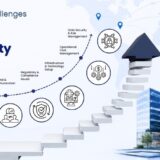



Global Capability Centres (GCCs) serve as strategic hubs for multinational corporations. They perform high-value functions such as research and development (R&D), IT services, and business innovation. Their purpose is to drive operational efficiency and support global growth.
India is a leading hub for Global Capability Centres. GCC in India leverages the country’s vast talent pool, advanced technology infrastructure, and favourable business environment. They provide critical support for global firms, helping them innovate, scale, and achieve their strategic goals.
In 2025, Global Capability Centres (GCCs) in India are shifting from a cost-saving model to strategic innovation hubs. They’re increasingly focusing on high-value functions like AI, cybersecurity, and advanced R&D. GCCs are increasingly expanding into Tier 2 cities to access new talent pools and reduce operational costs.
India is home to over 1,900 GCCs. Prominent companies with GCCs in India include global giants in the technology, finance, and automotive sectors. You can find comprehensive lists and analyses through reports published by industry bodies like Nasscom.
An ODC is a dedicated team of professionals based in another country that acts as a strategic extension of your in-house team. It’s a key model for businesses to access specialised talent, reduce costs, and accelerate their development timelines
A Global In-house Centre (GIC) in India is a wholly-owned subsidiary of a multinational corporation. It performs functions that were traditionally outsourced. The GIC model allows the parent company to retain full control over its intellectual property, processes, and culture.
Business expansion is a growth strategy to increase market share, revenue, and presence. It can be achieved through various means, such as opening new locations, developing new products, or entering new international market
International expansion can significantly affect a business by providing access to new markets, diversifying revenue streams, and lowering costs. However, it also introduces challenges related to cultural differences, legal compliance, and logistical complexities.
The BOT model is a partnership where we build and operate a facility, such as a GCC, for a set period. Once the center is mature and stable, we transfer full ownership and operational control to your company.
GCC outsourcing is a hybrid model where a multinational company establishes a Global Capability Centre (GCC) while outsourcing some of its operational functions to a third-party partner. This allows the company to retain strategic control while benefiting from local expertise.
Key advantages include access to a vast pool of highly skilled professionals, reduced operational and labour costs, and accelerated project delivery through a 24/7 work cycle. It enables companies to focus on core competencies and innovation.
KPO involves outsourcing high-value, knowledge-based functions to an external provider. Unlike traditional Business Process Outsourcing (BPO), KPO requires specialised expertise and analytical skills to deliver strategic insights in areas like market research and data analysis.
Texas Instruments is widely credited with establishing the first GCC in India back in 1985. This was a pioneering move that set the foundation for India to become a global hub for research and development.
Yes, India is seeing a continuous influx of new GCCs. In 2025 alone, several multinational corporations across various sectors, including fintech and AI, have announced plans to establish or expand their centers in major Indian cities.
The first GCC in India was set up by Texas Instruments in Bangalore. Initially, the center focused on a small team of engineers for chip design, but it laid the groundwork for the modern GCC ecosystem in the country.
Professionalism, clear communication, and a collaborative mindset are crucial. Employees must respect cultural differences, meet deadlines, and actively participate in team activities. A results-orientated approach is highly valued to ensure project success.



Error: Contact form not found.
Error: Contact form not found.